ทำไมคนยุคใหม่ถึงหันมากินโปรตีนจากพืช? ประโยชน์ที่มากกว่าแค่หุ่นดี
ในปัจจุบัน เทรนด์การดูแลสุขภาพไม่ได้จำกัดอยู่แค่การออกกำลังกายหรือการควบคุมน้ำหนักอีกต่อไป แต่ยังรวมถึงการเลือกบริโภคอาหารที่มีคุณค่าทางโภชนาการและเหมาะสมกับไลฟ์สไตล์มากขึ้น หนึ่งในกระแสอาหารที่ได้รับความสนใจอย่างต่อเนื่องคือ โปรตีนจากพืช (Plant-based Protein) ซึ่งกลายเป็นทางเลือกสำคัญของผู้บริโภคยุคใหม่
หลายคนอาจคุ้นเคยกับโปรตีนจากพืชในฐานะอาหารสำหรับผู้ที่ต้องการควบคุมน้ำหนักหรือสร้างกล้ามเนื้อ แต่แท้จริงแล้วโปรตีนจากพืชมีประโยชน์และบทบาทที่กว้างกว่านั้น ทั้งในด้านโภชนาการ ความหลากหลายของอาหาร และการบริโภคอย่างยั่งยืน
โปรตีนจากพืชคืออะไร?
โปรตีนจากพืช คือโปรตีนที่ได้จากวัตถุดิบที่มาจากพืช เช่น ถั่วเหลือง ถั่วลันเตา ถั่วต่าง ๆ ธัญพืช และเมล็ดพืช โดยสามารถนำมาแปรรูปเป็นอาหารได้หลากหลายรูปแบบ ไม่ว่าจะเป็นเต้าหู้ นมถั่วเหลือง โปรตีนเกษตร เนื้อจากพืช หรือผลิตภัณฑ์โปรตีนทางเลือกชนิดต่าง ๆ
วัตถุดิบแต่ละชนิดมีปริมาณโปรตีนและสารอาหารแตกต่างกัน การรับประทานอาหารจากพืชให้หลากหลายจึงเป็นอีกหนึ่งวิธีในการเพิ่มความหลากหลายทางโภชนาการให้กับมื้ออาหาร
5 เหตุผลที่คนยุคใหม่หันมาเลือกโปรตีนจากพืช
1. เป็นอีกทางเลือกในการดูแลสุขภาพ
โปรตีนเป็นสารอาหารสำคัญที่ร่างกายต้องใช้ในการสร้างและซ่อมแซมส่วนต่าง ๆ ของร่างกาย การเลือกโปรตีนจากพืชจึงเป็นอีกทางเลือกหนึ่งในการดูแลโภชนาการ โดยเฉพาะเมื่อเลือกรับประทานร่วมกับผัก ผลไม้ และอาหารที่หลากหลาย
นอกจากนี้ ถั่วและธัญพืชหลายชนิดยังมีใยอาหาร วิตามิน และแร่ธาตุ ซึ่งช่วยเพิ่มคุณค่าทางโภชนาการให้กับมื้ออาหารได้อีกด้วย
2. มีใยอาหารที่ช่วยดูแลระบบย่อยอาหาร
หนึ่งในความแตกต่างที่น่าสนใจของอาหารจากพืชคือ ใยอาหารที่พบได้ในถั่ว ธัญพืช และเมล็ดพืชหลายชนิด ใยอาหารมีส่วนช่วยในการทำงานของระบบขับถ่าย และช่วยให้รู้สึกอิ่มได้นานขึ้น
การเลือกรับประทานถั่วและธัญพืชที่หลากหลายจึงเป็นวิธีง่าย ๆ ในการเพิ่มใยอาหารให้กับมื้ออาหารประจำวัน
3. ตอบโจทย์คนที่ต้องการควบคุมอาหาร
โปรตีนจากพืชเป็นทางเลือกที่สามารถนำไปประกอบอาหารได้หลากหลาย เหมาะกับผู้ที่ต้องการปรับเปลี่ยนพฤติกรรมการกินให้สมดุลมากขึ้น
ถั่วต้ม เต้าหู้ นมถั่วเหลือง หรือสลัดธัญพืช สามารถนำมาจัดเป็นเมนูที่มีโปรตีนและสารอาหารหลากหลายได้ อย่างไรก็ตาม การควบคุมน้ำหนักยังขึ้นอยู่กับปริมาณพลังงานที่ได้รับทั้งหมด วิธีปรุง และส่วนประกอบอื่น ๆ ในมื้ออาหารด้วย ไม่ใช่เพียงแค่การเลือกโปรตีนจากพืชเท่านั้น
4. เพิ่มทางเลือกให้กับไลฟ์สไตล์ที่หลากหลาย
ผู้บริโภคในปัจจุบันมีรูปแบบการรับประทานอาหารที่แตกต่างกัน ไม่ว่าจะเป็นผู้ที่รับประทานมังสวิรัติ วีแกน ผู้ที่ต้องการลดการบริโภคเนื้อสัตว์ หรือผู้ที่อยากเพิ่มความหลากหลายให้กับมื้ออาหาร
โปรตีนจากพืชจึงเข้ามาตอบโจทย์ความต้องการเหล่านี้ได้เป็นอย่างดี อีกทั้งยังสามารถนำไปประยุกต์ใช้ในเมนูอาหารไทยและอาหารนานาชาติได้อย่างหลากหลาย
5. สนับสนุนการบริโภคอย่างยั่งยืน
อีกหนึ่งเหตุผลที่ทำให้โปรตีนจากพืชได้รับความสนใจ คือแนวคิดด้านความยั่งยืนของระบบอาหาร การเพิ่มทางเลือกจากพืชสามารถช่วยลดการพึ่งพาแหล่งโปรตีนจากสัตว์ได้
ทั้งนี้ ผลกระทบต่อสิ่งแวดล้อมของอาหารแต่ละชนิดยังขึ้นอยู่กับวัตถุดิบ แหล่งเพาะปลูก การแปรรูป การขนส่ง และกระบวนการผลิตด้วย การเลือกบริโภคอย่างหลากหลายและใช้ทรัพยากรอย่างคุ้มค่าจึงเป็นส่วนหนึ่งของการสร้างระบบอาหารที่ยั่งยืน
รู้จักแหล่งโปรตีนจากพืชใกล้ตัว
โปรตีนจากพืชไม่ได้อยู่แค่ในผลิตภัณฑ์อาหารทางเลือกสมัยใหม่เท่านั้น แต่ยังพบได้ในวัตถุดิบใกล้ตัวที่เราคุ้นเคย เช่น
ถั่วเหลือง – เป็นแหล่งโปรตีนจากพืชที่นิยมนำมาแปรรูปเป็นเต้าหู้ นมถั่วเหลือง และผลิตภัณฑ์โปรตีนหลากหลายชนิด
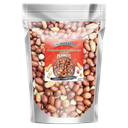
ถั่วลิสง – มีโปรตีนและไขมันเป็นส่วนประกอบ สามารถนำมารับประทานเป็นของว่างหรือแปรรูปเป็นเนยถั่วได้
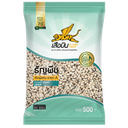
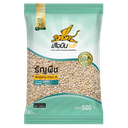
ถั่วเขียว – สามารถนำไปประกอบอาหารได้หลายรูปแบบ ทั้งเมนูคาวและหวาน
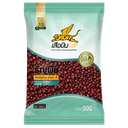
ถั่วแดงและถั่วดำ – เป็นแหล่งโปรตีนจากพืชที่มีใยอาหารและสารอาหารอื่น ๆ เหมาะสำหรับนำไปเพิ่มความหลากหลายให้กับมื้ออาหาร
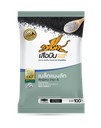
เมล็ดงา – มีโปรตีน ไขมัน และแร่ธาตุ สามารถใช้เป็นส่วนประกอบหรือเพิ่มรสชาติให้กับอาหารได้หลากหลาย
การรับประทานวัตถุดิบเหล่านี้สลับกันไป พร้อมกับอาหารจากพืชชนิดอื่น ๆ จะช่วยให้ได้รับสารอาหารที่หลากหลายมากขึ้น โดยผู้ที่รับประทานอาหารจากพืชเป็นหลักควรใส่ใจความหลากหลายของแหล่งโปรตีนและสารอาหารจำเป็น เช่น วิตามินบี 12 ธาตุเหล็ก และแคลเซียมด้วย
Everyday Food กับวัตถุดิบเพื่ออาหารแห่งอนาคต
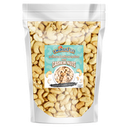
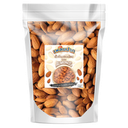
Everyday Food ให้ความสำคัญกับธัญพืช ถั่ว และเมล็ดพืช ซึ่งเป็นวัตถุดิบพื้นฐานที่มีศักยภาพในการต่อยอดสู่อุตสาหกรรมอาหารยุคใหม่ ไม่ว่าจะเป็นผลิตภัณฑ์โปรตีนจากพืช อาหารเพื่อสุขภาพ หรือผลิตภัณฑ์อาหารทางเลือกที่ตอบโจทย์ผู้บริโภคที่มีความต้องการหลากหลาย
เรามุ่งมั่นพัฒนาคุณภาพสินค้าและคัดสรรวัตถุดิบอย่างใส่ใจ เพื่อสนับสนุนผู้ประกอบการและธุรกิจอาหารในการสร้างสรรค์ผลิตภัณฑ์ที่มีคุณภาพ พร้อมรองรับการเปลี่ยนแปลงของตลาดอาหารในอนาคต
เพราะโปรตีนจากพืชไม่ได้เป็นเพียงกระแสการดูแลรูปร่าง แต่เป็นอีกหนึ่งทางเลือกของการบริโภคที่สะท้อนถึงความใส่ใจในสุขภาพ ความหลากหลายทางอาหาร และความยั่งยืนของโลก
Why Are More People Choosing Plant-Based Protein? Benefits Beyond Just Staying Fit
Today, healthy living is no longer limited to exercising or managing body weight. Consumers are becoming more conscious of their food choices, looking for products that offer nutritional value and suit their lifestyles. One food trend gaining increasing attention is Plant-based Protein, which has become an important alternative for modern consumers.
Many people associate plant-based protein with weight management or muscle building. However, its role goes far beyond fitness. It also offers nutritional variety, supports different dietary preferences, and contributes to more sustainable food choices.
What Is Plant-based Protein?
Plant-based protein refers to protein obtained from plant sources such as soybeans, peas, beans, grains, and seeds. These ingredients can be used to create a wide range of food products, including tofu, soy milk, textured vegetable protein, plant-based meat alternatives, and other innovative protein products.
Each plant-based ingredient provides different amounts of protein and nutrients. Including a variety of plant foods in daily meals is therefore a practical way to improve dietary diversity.
5 Reasons Why Modern Consumers Choose Plant-based Protein
1. An Alternative for Better Nutrition
Protein is an essential nutrient that helps the body build and repair tissues. Plant-based protein offers another way to meet dietary needs, especially when combined with a balanced diet containing vegetables, fruits, and a variety of other foods.
Many beans and grains also provide dietary fiber, vitamins, and minerals, adding further nutritional value to everyday meals.
2. Provides Dietary Fiber for Digestive Health
One notable characteristic of many plant-based foods is their dietary fiber content. Beans, grains, and seeds contain fiber that supports normal digestive function and can help people feel fuller for longer.
Including a variety of beans and grains in daily meals is a simple way to increase dietary fiber intake.
3. Supports Balanced Eating Habits
Plant-based protein can be incorporated into many different meals, making it a useful option for people who want to develop more balanced eating habits.
Boiled beans, tofu, soy milk, and grain salads can all be part of meals that provide protein and a variety of nutrients. However, weight management depends on overall calorie intake, cooking methods, and the other ingredients in a meal—not simply whether the protein comes from plants.
4. Fits Different Lifestyles and Dietary Preferences
Modern consumers have different dietary preferences. Some follow vegetarian or vegan diets, while others simply want to reduce their meat consumption or introduce more variety into their meals.
Plant-based protein provides flexible options for these lifestyles and can be incorporated into a wide range of Thai and international dishes.
5. Encourages More Sustainable Food Choices
Another reason for the growing interest in plant-based protein is the increasing awareness of food system sustainability. Expanding plant-based food choices can help reduce reliance on animal-derived protein sources.
However, the environmental impact of each food product also depends on factors such as agricultural practices, processing, transportation, and manufacturing. Choosing a diverse diet and using resources efficiently are important steps toward a more sustainable food system.
Everyday Plant-based Protein Sources
Plant-based protein is not limited to modern alternative food products. Many familiar ingredients are also valuable sources of plant-based nutrition, including:
Soybeans – A popular plant protein source used to make tofu, soy milk, and various protein-based products.
Peanuts – Contain protein and fats and can be enjoyed as snacks or processed into peanut butter.
Mung Beans – Versatile ingredients used in a variety of sweet and savory dishes.
Red Beans and Black Beans – Provide plant-based protein, dietary fiber, and other nutrients that add variety to everyday meals.
Sesame Seeds – Contain protein, fats, and minerals, making them useful ingredients for adding flavor and nutritional variety to different dishes.
Combining these ingredients with other plant foods helps create a more varied diet. People following fully plant-based diets should also pay attention to essential nutrients such as vitamin B12, iron, and calcium.
Everyday Food: Ingredients for the Future of Food
Everyday Food recognizes the potential of grains, beans, and seeds as essential ingredients for the evolving food industry. These ingredients can be developed into a wide range of products, from plant-based protein and health-focused foods to alternative food products that meet the diverse needs of modern consumers.
We are committed to improving product quality and carefully selecting raw materials to support food manufacturers and businesses in developing quality products that respond to changing consumer demands and future food trends.
Plant-based protein is more than just a fitness trend. It represents a broader shift toward conscious food choices that value personal health, dietary diversity, and a more sustainable future.

 and then Add to Home Screen.