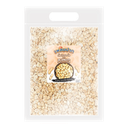
เก็บงาผิด ชีวิตเปลี่ยน! วิธีเก็บงาไม่ให้เหม็นหืนที่คุณต้องรู้
งาเป็นวัตถุดิบสำคัญที่ถูกใช้ในหลากหลายเมนู ทั้งในครัวเรือนและอุตสาหกรรมอาหาร ไม่ว่าจะเป็นงาขาว งาดำ หรืองาคั่ว แต่สิ่งที่หลายคนมองข้ามคือ “การเก็บรักษา” ซึ่งมีผลโดยตรงต่อคุณภาพ กลิ่น และรสชาติของงา หากเก็บไม่ถูกวิธี งาสามารถเหม็นหืนและเสื่อมคุณภาพได้เร็วกว่าที่คิด
บทความนี้จะช่วยให้คุณเข้าใจวิธีเก็บรักษางาอย่างถูกต้อง เพื่อคงความสดใหม่และยืดอายุการใช้งานให้ได้นานที่สุด
ทำไมงาถึงเหม็นหืนได้ง่าย?
งามีปริมาณไขมันธรรมชาติสูง โดยเฉพาะกรดไขมันไม่อิ่มตัว ซึ่งไวต่ออากาศ แสง และความร้อน เมื่อสัมผัสกับปัจจัยเหล่านี้ จะเกิดกระบวนการออกซิเดชัน ส่งผลให้เกิดกลิ่นเหม็นหืน และรสชาติเปลี่ยนไป
วิธีเก็บรักษางาให้คงคุณภาพ
1. ใช้ภาชนะปิดสนิท
ควรเก็บงาในภาชนะที่ปิดสนิท เช่น ขวดแก้ว กล่องสุญญากาศ หรือถุงซิปล็อก เพื่อลดการสัมผัสอากาศ ซึ่งเป็นสาเหตุหลักของการเสื่อมคุณภาพ
2. หลีกเลี่ยงแสงแดดและความร้อน
ควรเก็บในที่แห้งและเย็น เช่น ตู้กับข้าว และหลีกเลี่ยงบริเวณที่โดนแสงแดดหรือใกล้แหล่งความร้อน เช่น เตา
3. แช่ตู้เย็นเพื่อยืดอายุ
หากซื้อในปริมาณมาก หรือไม่ได้ใช้บ่อย แนะนำให้เก็บในตู้เย็น
- ช่องธรรมดา: เก็บได้นานหลายเดือน
- ช่องแช่แข็ง: เก็บได้นานเป็นปี
4. แยกเก็บงาดิบและงาคั่ว
- งาดิบ: เก็บได้นานกว่า
- งาคั่ว: มีกลิ่นหอม แต่เสื่อมคุณภาพเร็ว ควรเก็บในตู้เย็นและใช้ให้เร็ว
5. ป้องกันความชื้น
ควรหลีกเลี่ยงความชื้น เพราะอาจทำให้เกิดเชื้อรา และทำให้งาเสียเร็วขึ้น ควรใช้ช้อนแห้งตัก และปิดภาชนะทันทีหลังใช้งาน
วิธีตรวจสอบว่างายังใช้งานได้หรือไม่
ก่อนนำไปใช้ ควรตรวจสอบเบื้องต้นดังนี้:
- กลิ่น: มีกลิ่นเหม็นหืน หรือคล้ายน้ำมันเก่า
- สี: สีหมองหรือผิดปกติ
- รสชาติ: มีรสขมหรือเพี้ยน
สรุป
การเก็บงาให้คงคุณภาพ ไม่ใช่เรื่องยาก เพียงควบคุม 4 ปัจจัยหลัก ได้แก่ อากาศ แสง ความร้อน และความชื้น
ไม่ว่าคุณจะเป็นผู้บริโภคทั่วไปหรือผู้ประกอบการ การใส่ใจในรายละเอียดเล็ก ๆ เหล่านี้ จะช่วยให้งาคงความหอม มัน และพร้อมใช้งานอยู่เสมอ
Storing Sesame the Wrong Way? Here’s How to Keep It Fresh
Sesame seeds are widely used in both home cooking and the food industry. Whether it’s white sesame, black sesame, or roasted sesame, one often overlooked factor is proper storage. This directly affects the quality, aroma, and taste. If stored incorrectly, sesame seeds can quickly turn rancid and lose their value.
This guide will help you understand how to properly store sesame seeds to maintain freshness and extend shelf life.
Why Do Sesame Seeds Go Rancid Easily?
Sesame seeds are rich in natural oils, particularly unsaturated fats. These are highly sensitive to air, light, and heat. When exposed, oxidation occurs, resulting in rancid smells and unpleasant flavors.
Best Practices for Storing Sesame Seeds
1. Use Airtight Containers
Store sesame seeds in tightly sealed containers such as glass jars, vacuum containers, or zip-lock bags to minimize air exposure.
2. Avoid Heat and Sunlight
Keep sesame seeds in a cool, dry place away from direct sunlight or heat sources like stoves.
3. Refrigerate for Longer Shelf Life
If you buy in bulk or use sesame infrequently:
- Refrigerator: lasts for several months
- Freezer: can last up to a year
4. Separate Raw and Roasted Sesame
- Raw sesame: lasts longer
- Roasted sesame: more aromatic but spoils faster, should be refrigerated and used sooner
5. Keep Away from Moisture
Moisture can lead to mold and faster spoilage. Always use a dry spoon and seal the container immediately after use.
How to Tell if Sesame Seeds Have Gone Bad
Before use, check for:
- Smell: rancid or stale oil odor
- Color: dull or unusual appearance
- Taste: bitter or off flavor
Conclusion
Proper sesame storage comes down to controlling four key factors: air, light, heat, and moisture
Whether you are a home cook or a business operator, paying attention to these details will help keep your sesame seeds fresh, aromatic, and ready to use at all times.

 and then Add to Home Screen.